
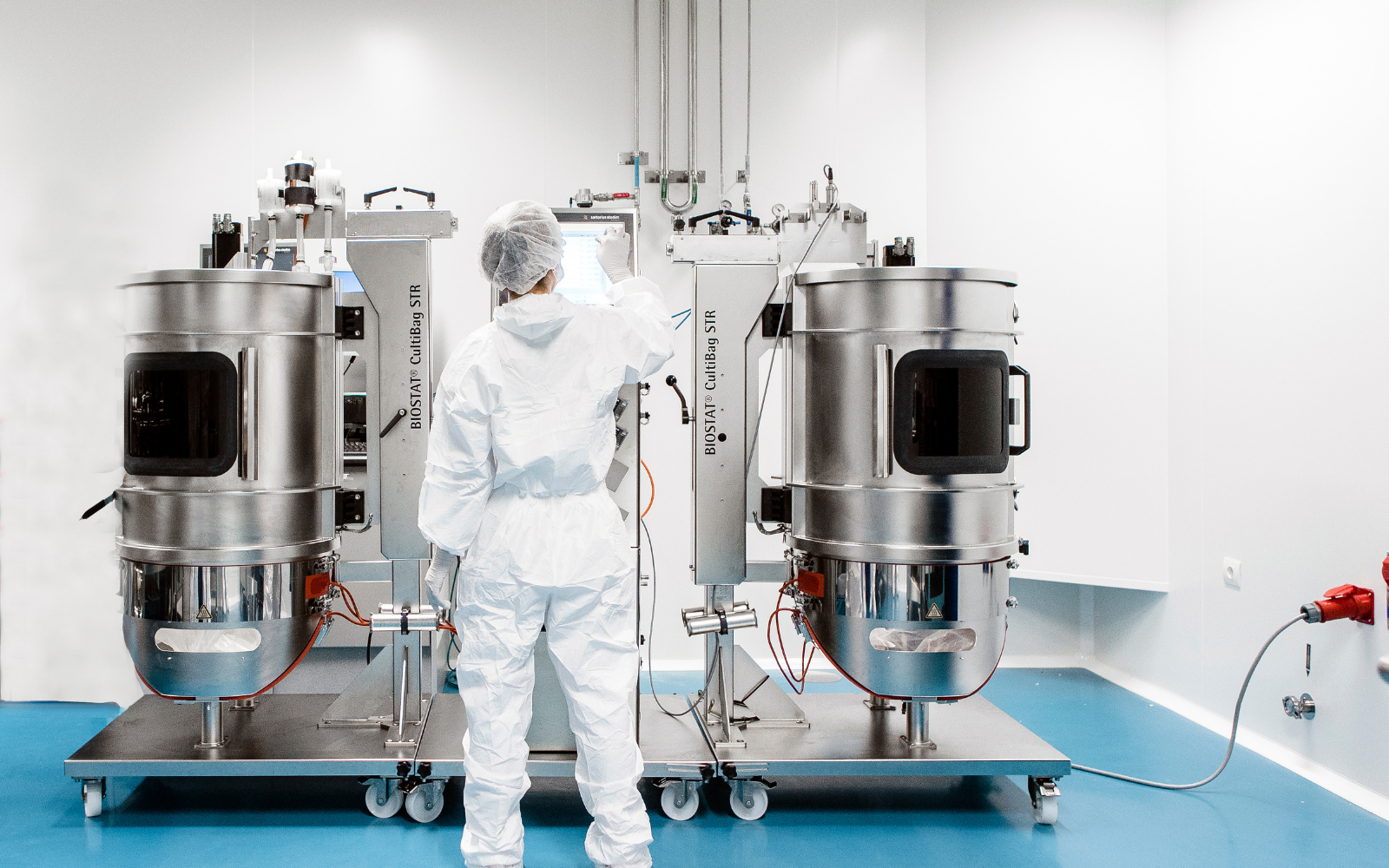
GMP Recombinant Protein Manufacturing: Key Challenges and How to Address Them
Producing recombinant proteins at research scale differs fundamentally from manufacturing them under Good Manufacturing Practices (GMP). The transition involves technical, regulatory, and operational challenges that can significantly impact timelines, costs, and the probability of clinical and regulatory success.
Why GMP compliance is non-negotiable for clinical-stage proteins
GMP is a legally enforced regulatory framework that exists to protect patients by guaranteeing that every batch reaching the clinic is safe, pure, and consistent. Regulatory agencies such as the FDA and EMA enforce these standards across every aspect of production — from facility design and process control to personnel training — as a prerequisite for clinical trial authorization.
Key challenges in GMP recombinant protein manufacturing
Transitioning from lab to GMP manufacturing requires addressing interconnected challenges across quality, process development, and regulatory documentation:
- Critical Quality Attributes (CQAs): identity, purity, potency, stability and safety, among others, must be analytically verified and documented using validated methods.
- Scale-up: fermentation parameters and downstream purification must be optimized at manufacturing scale without compromising yield or quality.
- Process validation: regulatory submissions require documented evidence that the process is robust, controlled, and reproducible.
- Regulatory documentation: Master Batch Records, Certificates of Analysis, and CMC sections of IND/IMPD filings must be complete and inspection-ready
Incomplete documentation and scale-up failures are the most common causes of manufacturing delays and regulatory setbacks.
Addressing manufacturing challenges through CDMO expertise
Partnering with a specialist CDMO provides access to proven GMP-compliant facilities, experienced teams across mammalian and microbial platforms, integrated regulatory support, and scalable capacity from Phase I through commercial manufacturing, bringing the expertise to de-risk the program and build the foundation for long-term clinical success.